UNDERSTANDING YOUR CYCLE
As women, we are naturally cyclical beings — constantly moving through seasons of growth, expression, rest, and renewal. This guide explores the wisdom of the menstrual cycle and how each phase carries its own unique needs, strengths, and opportunities for nourishment.
Learn how to support your body through nutrient-dense foods, mindful living, and holistic practices that honor your hormones, energy, and natural rhythm. When we reconnect with our cycles, we reconnect with the deeper intelligence of our bodies.
The Feminine Rhythm: Cycles, Seasons & the Moon
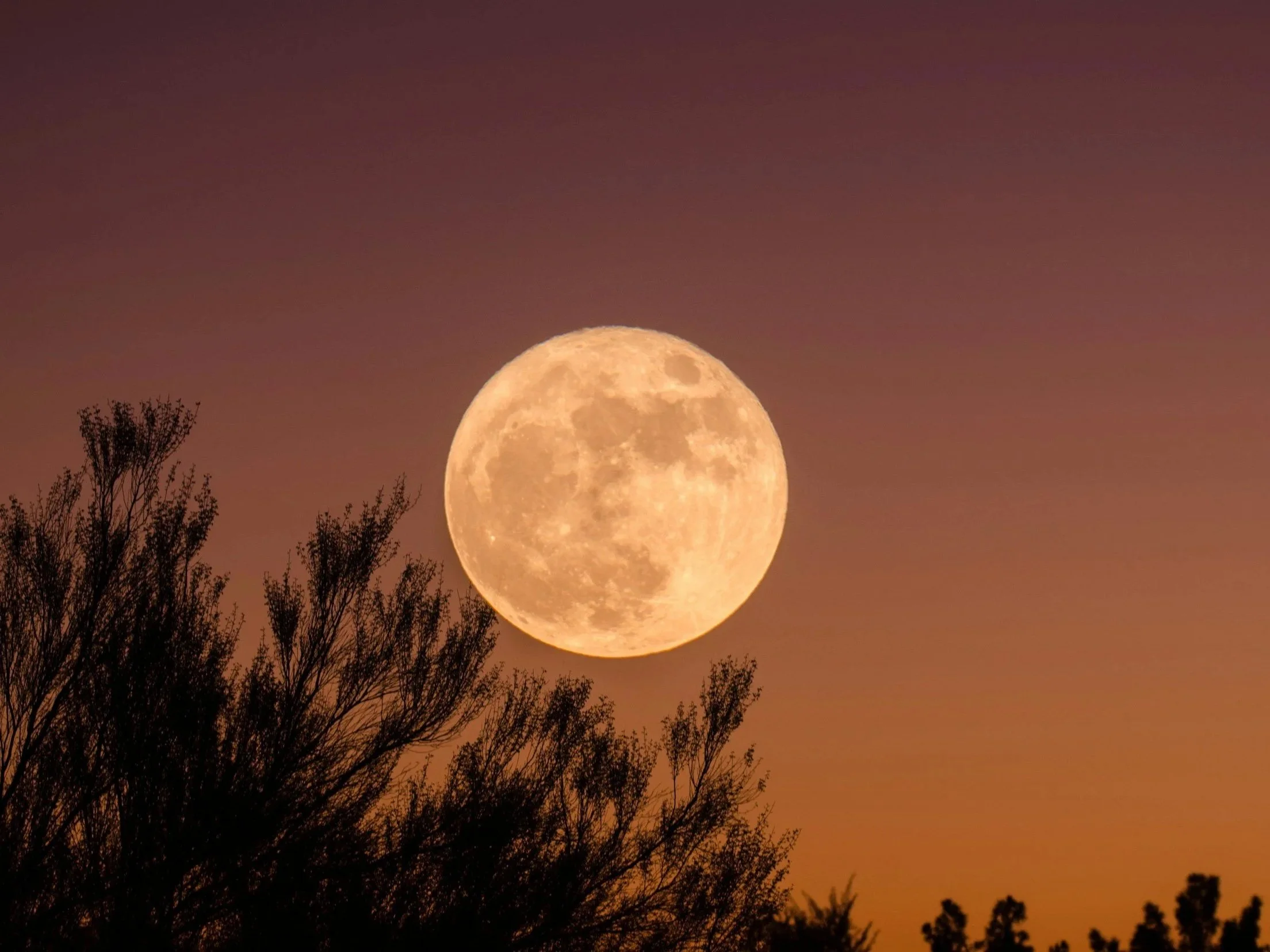
For centuries, women’s cycles have been connected with the rhythms of nature — especially the moon. The average menstrual cycle and lunar cycle are both around 28 days, which has inspired a long-standing symbolic relationship between menstruation and the moon’s phases. While every woman’s cycle is unique and does not always follow the lunar cycle perfectly, the connection offers a beautiful reminder that the female body is naturally rhythmic. Just as the moon moves through phases of darkness, growth, fullness, and release, women experience their own internal seasons of rest, renewal, expression, and restoration.
Many traditions have viewed feminine energy as cyclical — moving inward and outward, rather than constantly pushing forward. This is a meaningful contrast to the more linear rhythms often associated with modern life and the traditional “always on” approach to productivity. The male hormonal rhythm, in comparison, is often described as having a more daily pattern, with testosterone following a circadian rhythm that rises and falls over a 24-hour cycle. While men also experience hormonal fluctuations, they generally do not experience the same monthly reproductive hormone shifts that guide the female cycle.
Understanding this difference allows us to honor that women’s bodies are designed with a different rhythm — one that is not meant to be ignored or overridden, but understood and supported. When we learn to work with our own internal seasons, we can begin to nourish ourselves in a way that feels more intuitive, sustainable, and aligned.
Your Cycle Is a Monthly Conversation Between Your Body & Hormones
Every month, your body moves through a carefully coordinated dance of hormones that influences far more than reproduction. Estrogen and progesterone act as powerful messengers, communicating with your brain, metabolism, digestive system, nervous system, and even your mood. As these hormones naturally rise and fall throughout the cycle, they create shifts in your energy, appetite, cravings, sleep patterns, stress response, and emotional needs.
These changes are not signs that something is wrong — they are simply your body communicating with you. Some phases may feel more outward, energetic, and creative, while others may invite you to slow down, reflect, and restore. When we understand these natural fluctuations, we can begin to support our bodies instead of constantly pushing against them.
Rather than expecting the same level of energy and productivity every day of the month, cycle awareness invites us to work with our biology. Through intentional nourishment, restorative sleep, balanced blood sugar, healthy digestion, and stress support, we can create an environment where our hormones are better supported and our bodies feel more balanced.
The Four Phases of Your Cycle: Your Inner Seasons
Just as nature moves through seasons, the female body moves through its own monthly rhythm. Each phase of the menstrual cycle carries a unique hormonal landscape that influences how we experience energy, emotions, appetite, digestion, and our capacity for activity and rest.
Understanding these phases allows us to move from fighting against our bodies to working in partnership with them. Instead of expecting ourselves to show up with the same energy every day, we can begin honoring the natural shifts that are already happening within us.
The menstrual cycle can be viewed as four distinct seasons: the Menstrual Phase (Inner Winter), a time of rest and renewal; the Follicular Phase (Inner Spring), a season of growth and new energy; the Ovulatory Phase (Inner Summer), a time of connection, expression, and vitality; and the Luteal Phase (Inner Fall), a period of nourishment, grounding, and preparation.
Each phase offers valuable insight into what your body may need — whether that is more nourishment, more movement, more rest, or more support for your nervous system. When we learn to listen to these rhythms, we create a deeper relationship with our bodies and the wisdom they hold.
Menstrual Phase: Your Inner Winter
Rest, Restore & Reconnect
The menstrual phase marks the beginning of your cycle and is a powerful invitation to slow down, turn inward, and replenish. This is the time when the body naturally releases the uterine lining, creating space for a new cycle to begin. While modern life often encourages us to maintain the same pace every day, our biology tells a different story — this phase is designed for restoration.
What Is Happening Inside Your Body?
During menstruation, estrogen and progesterone are at their lowest levels. These hormonal shifts signal the body to move into a more inward, restorative state. The brain, ovaries, and reproductive system are beginning a new hormonal rhythm, preparing for the next phase of growth and renewal.
Because these hormones are lower, many women naturally experience changes such as:
lower energy levels
a greater need for sleep and rest
increased emotional sensitivity or desire for quiet
slower digestion
a stronger need for comfort and nourishment
These shifts are not a sign that your body is working against you — they are a reflection of your body moving through its natural rhythm.
How to Nourish Your Body During Your Inner Winter
The menstrual phase is a time to focus on replenishment. Your body is losing blood and nutrients during this process, making it especially important to prioritize minerals, nourishment, and foods that support energy and recovery.
Key nutrients to focus on:
Iron — supports healthy blood production and energy levels
Sources: grass-fed meats, lentils, beans, leafy greens, pumpkin seeds
Vitamin C — helps improve iron absorption and supports immune function
Sources: berries, citrus fruits, bell peppers, kiwi
Magnesium — supports muscle relaxation, nervous system balance, and comfort during this phase
Sources: dark chocolate, cacao, pumpkin seeds, almonds, leafy greens
Omega-3 fatty acids — support a healthy inflammatory response and hormone production
Sources: salmon, sardines, walnuts, chia seeds
Warm, grounding meals are often naturally supportive during this phase — think nourishing soups, stews, roasted vegetables, mineral-rich broths, and balanced meals that leave you feeling satisfied and cared for.
Supporting Your Five Pillars During Your Menstrual Phase
Nutrient-Dense Nutrition: Choose foods that replenish minerals, support blood health, and provide steady energy.
Sleep: Honor your body’s desire for more rest. Earlier bedtimes, slower mornings, and calming evening routines can support your nervous system during this restorative time.
Digestion: Digestion may feel more sensitive or slower during menstruation. Warm, cooked foods, hydration, and gentle fiber sources can be supportive.
Stress: This is a phase where your body benefits from less stimulation and more nervous system support. Gentle movement, time outdoors, journaling, and moments of stillness can help you reconnect with yourself.
Blood Sugar Balance: Consistent meals with protein, healthy fats, and complex carbohydrates can help support stable energy and reduce feelings of fatigue or intense cravings.
Your menstrual phase is your body’s invitation to pause, restore, and listen. Like the stillness of winter, this season is not empty — it is a necessary part of the cycle that allows new growth to begin.
Follicular Phase: Your Inner Spring
Renew, Create & Build
After menstruation, your body begins to transition into a season of renewal. The follicular phase is a time of rising energy, curiosity, and growth — a natural “spring” within your cycle where your body begins preparing for ovulation and a new wave of vitality.
This phase reminds us that the body is not meant to remain in one state forever. Just as spring brings new life after winter’s stillness, the follicular phase brings a gradual return of energy, motivation, and outward expression.
What Is Happening Inside Your Body?
During the follicular phase, your brain signals the ovaries to begin developing follicles in preparation for ovulation. As this process unfolds, estrogen begins to rise, creating changes throughout the body.
Increasing estrogen can support:
improved mood and motivation
greater mental clarity and focus
increased energy and resilience
improved exercise capacity
a greater desire for connection, creativity, and productivity
Many women notice that this phase feels lighter and more expansive. You may naturally feel more inspired to start new projects, socialize, plan ahead, or challenge yourself physically.
How to Nourish Your Body During Your Inner Spring
The follicular phase is a time of building and supporting growth. As your hormones begin increasing, your body benefits from foods that provide essential nutrients, antioxidants, and the building blocks needed for healthy hormone production.
Key nutrients to focus on:
Protein — provides amino acids needed for hormone production, muscle repair, and steady energy
Sources: eggs, poultry, fish, grass-fed meats, lentils, Greek yogurt
Fiber-rich carbohydrates — support digestion, gut health, and healthy estrogen metabolism
Sources: vegetables, berries, oats, beans, quinoa, sweet potatoes
Antioxidants — help protect cells and support overall hormone health
Sources: colorful fruits and vegetables, herbs, spices, green tea
Fermented foods — support a diverse gut microbiome, which plays an important role in hormone metabolism
Sources: sauerkraut, kimchi, kefir, yogurt, fermented vegetables
This phase often pairs well with lighter, fresh, colorful meals that reflect the energy of spring — nourishing salads with quality protein, vibrant vegetables, smoothies, fermented foods, and meals rich in plants and minerals.
Supporting Your Five Pillars During Your Follicular Phase
Nutrient-Dense Nutrition: Focus on rebuilding and nourishing your body with a variety of whole foods, quality proteins, and colorful plants.
Sleep: As energy increases, you may feel naturally more motivated and alert. Continue supporting your circadian rhythm with consistent sleep routines and morning light exposure.
Digestion: Rising estrogen and increased energy may support digestive function. Fiber-rich foods help nourish your gut and support the healthy processing of hormones.
Stress: This phase can be a beautiful time for planning, creating, and taking on new challenges. Use your increased capacity while still honoring balance and avoiding overextension.
Blood Sugar Balance: Continue pairing carbohydrates with protein and healthy fats to support steady energy and prevent energy crashes.
Your follicular phase is a reminder that growth happens naturally when we create the right conditions. Like the first blooms of spring, this is a season of possibility — a time to explore, create, and reconnect with your own vitality.
Ovulatory Phase: Your Inner Summer
Connect, Express & Thrive
The ovulatory phase is the peak of your cycle — a season of vitality, connection, and outward energy. Like the fullness of summer, this phase represents a time when your body naturally feels more expressive, social, and energized.
Ovulation is a beautiful reminder of the body’s ability to create, communicate, and renew. While this phase is often the shortest part of the menstrual cycle, the hormonal shifts that occur during this time can have a noticeable influence on how we feel physically, mentally, and emotionally.
What Is Happening Inside Your Body?
During ovulation, estrogen reaches its highest point and triggers a surge of luteinizing hormone (LH), which signals the release of an egg from the ovary. Testosterone also rises slightly during this phase, contributing to increased energy, confidence, and motivation.
These hormonal changes may support:
increased confidence and self-expression
greater social energy and desire for connection
improved mood and mental clarity
stronger physical performance
increased creativity and motivation
Many women naturally feel more outward-facing during this phase — it may be a time when communication feels easier, ideas flow more freely, and connection with others feels especially nourishing.
How to Nourish Your Body During Your Inner Summer
Ovulation is a time when the body benefits from foods that support antioxidant defenses, healthy inflammation pathways, and hormone metabolism.
Because ovulation involves a natural inflammatory process as the egg is released, providing the body with nourishing, antioxidant-rich foods can be especially supportive.
Key nutrients to focus on:
Antioxidants — help protect cells and support healthy hormone balance
Sources: berries, leafy greens, colorful vegetables, herbs, spices
Cruciferous vegetables — support healthy estrogen metabolism through compounds like sulforaphane
Sources: broccoli, cauliflower, kale, Brussels sprouts, arugula
Healthy fats — provide building blocks for hormone production and support cellular health
Sources: avocado, olive oil, nuts, seeds, wild-caught fish
Zinc and selenium — support reproductive health and antioxidant pathways
Sources: seafood, eggs, Brazil nuts, pumpkin seeds
This phase pairs beautifully with vibrant, fresh meals that reflect the energy of summer — colorful salads with protein, nourishing bowls, grilled vegetables, fresh herbs, and meals rich in healthy fats and minerals.
Supporting Your Five Pillars During Your Ovulatory Phase
Nutrient-Dense Nutrition: Focus on colorful, antioxidant-rich foods that support hormone metabolism and overall vitality.
Sleep: Even during higher-energy phases, maintaining consistent sleep supports hormone communication and nervous system balance.
Digestion: A healthy gut plays an important role in estrogen metabolism. Fiber-rich plants help support the elimination of used hormones through the digestive system.
Stress: This may be a naturally more resilient phase for many women. Use this increased capacity for connection, creativity, and meaningful activities while still honoring your boundaries.
Blood Sugar Balance: Stable blood sugar supports steady energy, mood, and hormone health. Pair carbohydrates with protein and healthy fats to sustain your vitality throughout the day.
Your ovulatory phase is your inner summer — a time of blooming, connection, and expression. It is a reminder that your body carries seasons of expansion as well as seasons of rest, and each one serves a purpose in the greater rhythm of your health.
Luteal Phase: Your Inner Fall
Nourish, Ground & Prepare
The luteal phase is the final season of your cycle — a time of turning inward, grounding, and preparing for renewal. Like fall, this phase invites us to slow down, gather our resources, and provide ourselves with deeper nourishment.
After the outward energy of ovulation, the body naturally begins shifting toward a more restorative state. This is a phase where many women become more aware of their needs — from increased hunger and cravings to a desire for more rest, comfort, and emotional support.
Rather than viewing these changes as inconvenient or something to overcome, the luteal phase offers an opportunity to listen more closely to what your body is communicating.
What Is Happening Inside Your Body?
After ovulation, progesterone becomes the dominant hormone as the body prepares for the possibility of pregnancy. If pregnancy does not occur, progesterone and estrogen gradually decline, leading into menstruation and the beginning of a new cycle.
Progesterone has a calming effect on the nervous system and can support feelings of relaxation and grounding. However, as hormone levels shift toward the end of this phase, some women may experience changes such as:
increased appetite or stronger cravings
lower energy levels
greater sensitivity to stress
changes in mood
bloating or digestive changes
a stronger desire for rest and quiet
These experiences are often the body’s way of asking for more support — not a sign that your body is working against you.
How to Nourish Your Body During Your Inner Fall
The luteal phase is a time when nourishment becomes especially important. As metabolism naturally increases slightly during this phase, many women benefit from eating more consistently and choosing foods that support stable energy and mood.
Restrictive eating during this phase can often intensify cravings and stress on the body. Instead, this is a season for satisfying, grounding meals that provide the nutrients your body is asking for.
Key nutrients to focus on:
Complex carbohydrates — support energy, mood, and serotonin production
Sources: sweet potatoes, oats, quinoa, squash, brown rice
Magnesium — supports relaxation, muscle function, and nervous system balance
Sources: pumpkin seeds, cacao, almonds, leafy greens
B vitamins — support energy production and hormone metabolism
Sources: eggs, poultry, fish, legumes, whole grains
Protein and healthy fats — help stabilize blood sugar and support satiety
Sources: avocado, nuts, seeds, eggs, quality meats, fatty fish
This phase often pairs well with grounding, warming meals — nourishing soups, roasted vegetables, hearty grain bowls, slow-cooked meals, and foods that leave you feeling deeply satisfied.
Supporting Your Five Pillars During Your Luteal Phase
Nutrient-Dense Nutrition: Prioritize satisfying meals with adequate protein, healthy fats, and complex carbohydrates to support your changing needs.
Sleep: Progesterone naturally supports rest, but many women may need extra sleep and deeper recovery during this phase. Create calming evening rituals and prioritize restorative habits.
Digestion: Hormonal shifts can influence digestion, often slowing motility and increasing feelings of bloating. Hydration, fiber, movement, and mineral-rich foods can help support digestive comfort.
Stress: This phase can come with a lower tolerance for stress. Protect your energy by creating more space, setting boundaries, and supporting your nervous system with calming practices.
Blood Sugar Balance: This is one of the most important phases for consistent blood sugar support. Regular meals with protein, fiber, and healthy fats can help reduce intense cravings, mood fluctuations, and energy dips.
Your luteal phase is your inner fall — a season of gathering, grounding, and listening inward. It reminds us that slowing down is not a weakness; it is part of the natural rhythm that allows renewal to happen.
Just as the trees release what they no longer need before winter, this phase invites us to reconnect with ourselves, nourish deeply, and prepare for the next cycle ahead.
Supporting Your Cycle All Month: The Five Pillars of Hormonal Nourishment
Understanding your cycle is the first step — but true transformation comes from creating daily habits that support your body through every season. While each phase carries its own unique needs, the foundations of health remain consistent throughout the month.
Your hormones are deeply connected to the nourishment you provide, the way you rest, how you manage stress, and how supported your body feels. By focusing on these five pillars, you can create a stronger foundation for energy, balance, and overall wellbeing.
1. Nutrient-Dense Nutrition: Giving Your Body the Building Blocks It Needs
Your hormones are created and regulated through a complex process that requires adequate nutrients. Protein, healthy fats, minerals, antioxidants, and fiber all play important roles in supporting hormone production, metabolism, and communication throughout the body.
Rather than focusing on restriction or perfection, cycle-supportive nutrition is about consistently nourishing yourself with foods that help your body feel safe, energized, and supported.
Think:
quality protein at each meal
colorful fruits and vegetables
mineral-rich foods
healthy fats for hormone production
fiber to support digestion and hormone metabolism
Your body is constantly rebuilding, repairing, and communicating — and nourishment provides the foundation for that process.
2. Sleep: Honoring Your Body’s Need for Restoration
Sleep is one of the most powerful forms of hormone support. During sleep, the body works to regulate cortisol, blood sugar, appetite hormones, immune function, and reproductive health.
Creating a consistent sleep routine, getting morning sunlight, and honoring your need for extra rest during certain phases of your cycle can help support your body’s natural rhythms.
Rest is not something you earn after productivity — it is an essential part of your wellbeing.
3. Digestion: Supporting Your Body’s Natural Detoxification Pathways
Your digestive system plays an important role in hormone balance, especially when it comes to estrogen metabolism. A healthy gut helps process and eliminate hormones that are no longer needed.
Supporting digestion through:
adequate fiber
hydration
diverse plant foods
fermented foods
mindful eating
can help create a healthier environment for your hormones to thrive.
4. Stress: Creating Safety Within the Body
Your body is always listening to the signals around it. Chronic stress can influence cortisol levels, blood sugar regulation, digestion, and reproductive hormone balance.
Supporting your nervous system through practices like gentle movement, time in nature, breathwork, journaling, and moments of stillness helps remind your body that it is safe to restore and rebalance.
Stress management is not about eliminating stress completely — it is about building resilience and creating more moments of calm.
5. Blood Sugar Balance: Supporting Stable Energy & Hormone Health
Balanced blood sugar is one of the most foundational pieces of hormone health. When blood sugar rises and falls dramatically throughout the day, it can influence energy, cravings, mood, and stress hormones.
Support balanced blood sugar by:
including protein with meals
pairing carbohydrates with healthy fats and fiber
eating consistently throughout the day
avoiding long periods of restriction or under-eating
When your blood sugar feels steady, your body has more resources available for energy, repair, and balance.
Closing: Returning to Your Natural Rhythm
Your menstrual cycle is a beautiful reflection of the intelligence within your body. It is not something to ignore, suppress, or push through — it is a rhythm to understand, honor, and support.
As women, we are not meant to operate at the same pace every day. Just like the seasons and the moon, we move through times of growth, expression, rest, and renewal. When we learn to listen to these changes, we can begin caring for ourselves in a way that feels more aligned, nourishing, and sustainable.
Holistic nutrition is about creating a deeper relationship with your body — understanding the messages it is sending and providing the support it needs to thrive.
If you are ready to explore your unique health needs, uncover areas where your body may need more support, and create a personalized approach to nourishment, I invite you to book a free wellness chat or nutritional therapy session. Together, we can dive deeper into your nutrition, lifestyle, and wellness goals and create a plan that helps you feel more balanced in every season of life.
